• NOW AVAILABLE
Hydration Loss Can Impact Performance, Health & Safety
Whether you’re training hard or working in heat-stressed environments, hydration is a non-negotiable part of your safety and success

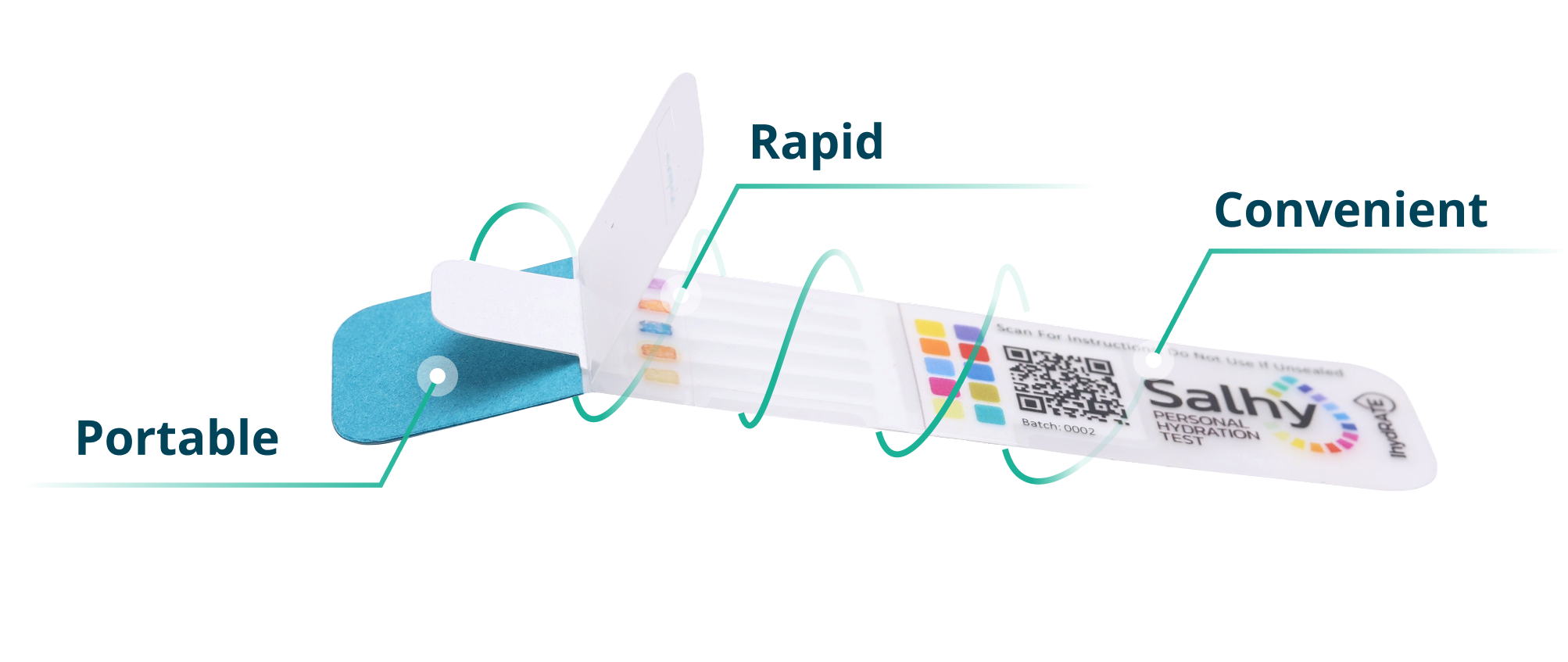
The Salhy hydration test is not a medical device and is not a substitute for professional medical advice. Salhy is a tool to support your personal hydration
{01} RISKS
Even a low level of fluid loss, just 1-2% of your total body hydration, can impact your performance
Hidden Danger
Thirst often comes too late
Feeling thirsty often occurs after dehydration has started to set in7
Thirst often comes too late
Mild dehydration can build up over time and goundetected, impacting both cognitive and physical performance8
Big Impact
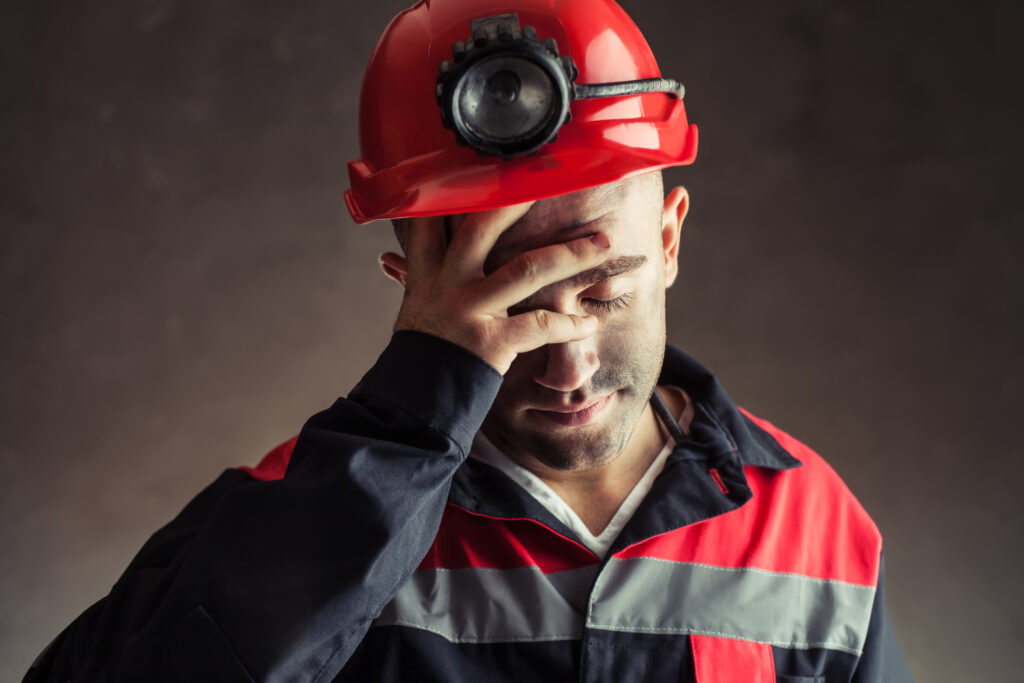
Cognitive Decline1,2
Slower reaction times, reduced concentration and decision making
Impaired short-term memory
Higher Safety Risk3,4
Greater chance of accidents and injuries.
Impaired coordination and motor control.
Performance Drop5,6
Decreased strength, power & endurance.
Increased fatigue and effort perception.
“Hydration isn’t optional – It’s critical to how you think, move and recover”
{03} AT STAKE
What’s at Stake?
More than just performance…
Slower Recovery
Dehydration delays post-exercise or post shift recovery9
Strain on your body
Impairs thermoregulation (cooling ability)
Increases cardiovascular load
Increases risk of heat-stress10
{05} TIPS
Quick Tips to Stay Hydrated
Drink before, during and after activity or work
Don’t wait for thirst to hydrate
Use electrolyte solutions in hot or prolonged conditions
Use a hydration monitoring method, we recommend the Salhy test
{06} WHO
The problem with other methods
Salhy is currently being implemented across Australian sports and workplace environments.
01
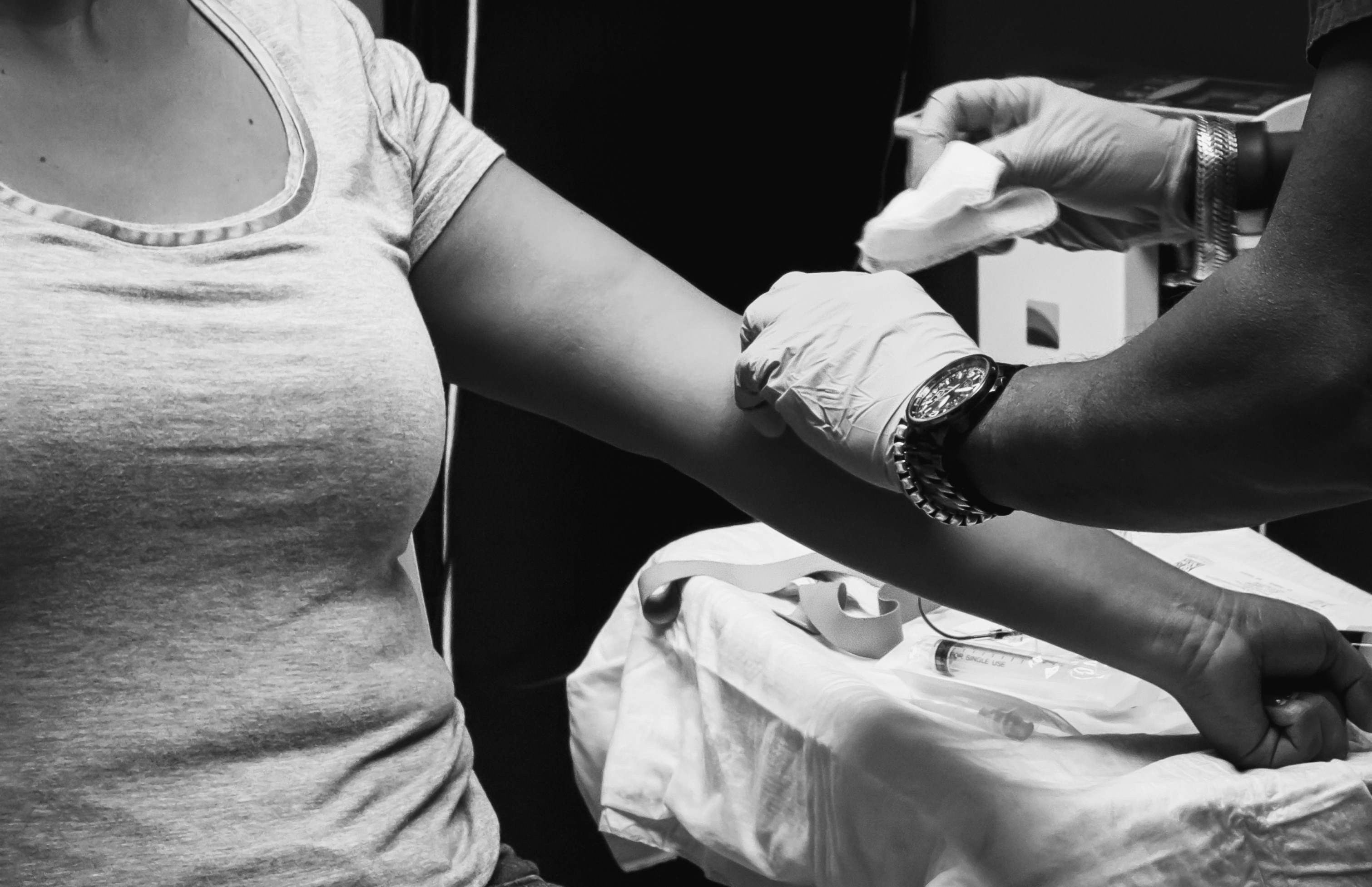
Invasive
Blood testing requiring needles and blood samples.
Blood testing requiring needles and blood samples.
Body Mass change is typically measured when stripped down to minimal clothing.
02
Complex
Blood testing requires specialist equipment and medical professionals.
Body Mass change calculations require complex pre-post measurements, precision scales and calculations to account for toileting and fluid/food consumption.
Urine specific gravity typically uses specialist refractometry equipment.
03
Slow
Blood testing requires lab analysis and does not give immediate results.
Body Mass change requires before and after testing so isn’t immediate.
None of the methods provide a digital result for immediate sharing with others (sports coaches, H&S managers)
References
Adan, A. (2012). Journal of the American College of Nutrition, 31(2), 71–78.
Sawka, M.N., et al. (2007). Journal of the American College of Nutrition, 26(sup5), 575S–584S.
Cheuvront, S.N., & Kenefick, R.W. (2014). Sports Medicine, 44(Suppl 1), S13–S21.
NIOSH (2016). Criteria for a Recommended Standard: Occupational Exposure to Heat and Hot Environments.
Wittbrodt, M.T., & Millard-Stafford, M. (2018). Nutrients, 10(12), 1975.
Armstrong, L.E., et al. (2012). American Journal of Clinical Nutrition, 95(3), 726–731.
Maughan, R.J., & Shirreffs, S.M. (2010). British Journal of Nutrition, 104(S1), S13–S19.
Casa, D.J., et al. (2010). Journal of Athletic Training, 45(2), 147–158.
Kenefick, R.W., & Sawka, M.N. (2007). Current Sports Medicine Reports, 6(4), 202–207.
Ganio, M.S., et al. (2011). Nutrition Reviews, 69(11), 584–591.
Sawka, M.N., et al. (2007). Journal of the American College of Nutrition, 26(sup5), 575S–584S.
Cheuvront, S.N., & Kenefick, R.W. (2014). Sports Medicine, 44(Suppl 1), S13–S21.
NIOSH (2016). Criteria for a Recommended Standard: Occupational Exposure to Heat and Hot Environments.
Wittbrodt, M.T., & Millard-Stafford, M. (2018). Nutrients, 10(12), 1975.
Armstrong, L.E., et al. (2012). American Journal of Clinical Nutrition, 95(3), 726–731.
Maughan, R.J., & Shirreffs, S.M. (2010). British Journal of Nutrition, 104(S1), S13–S19.
Casa, D.J., et al. (2010). Journal of Athletic Training, 45(2), 147–158.
Kenefick, R.W., & Sawka, M.N. (2007). Current Sports Medicine Reports, 6(4), 202–207.
Ganio, M.S., et al. (2011). Nutrition Reviews, 69(11), 584–591.
Optimal hydration = better results, fewer mistakes
Stay Alert
Stay Strong
Stay Safe

.svg.png)